30 ga day
"Clear" protein
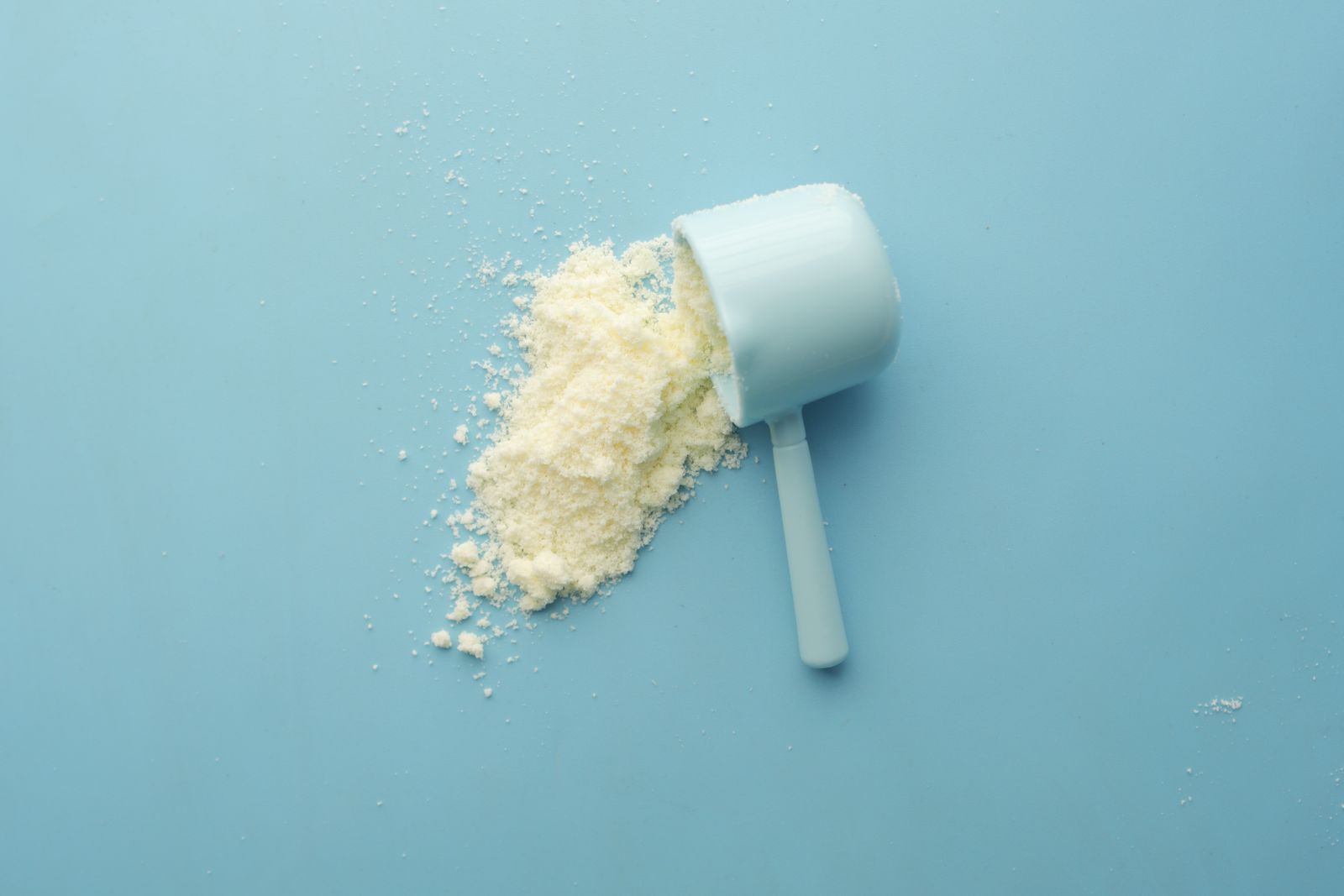
The building block of muscle. An isolate you drink in water, clear and fruity, not the thick milk of other proteins.
Muscle fades, and strength falls even faster, quietly. It doesn't have to be that way. You feed it, every day, at mealtimes, to stay on your feet, active and in charge of your days.
30 g of protein enriched with leucine, plus vitamin D, in a simple glass of clear water. That's the whole idea behind Fortavia.
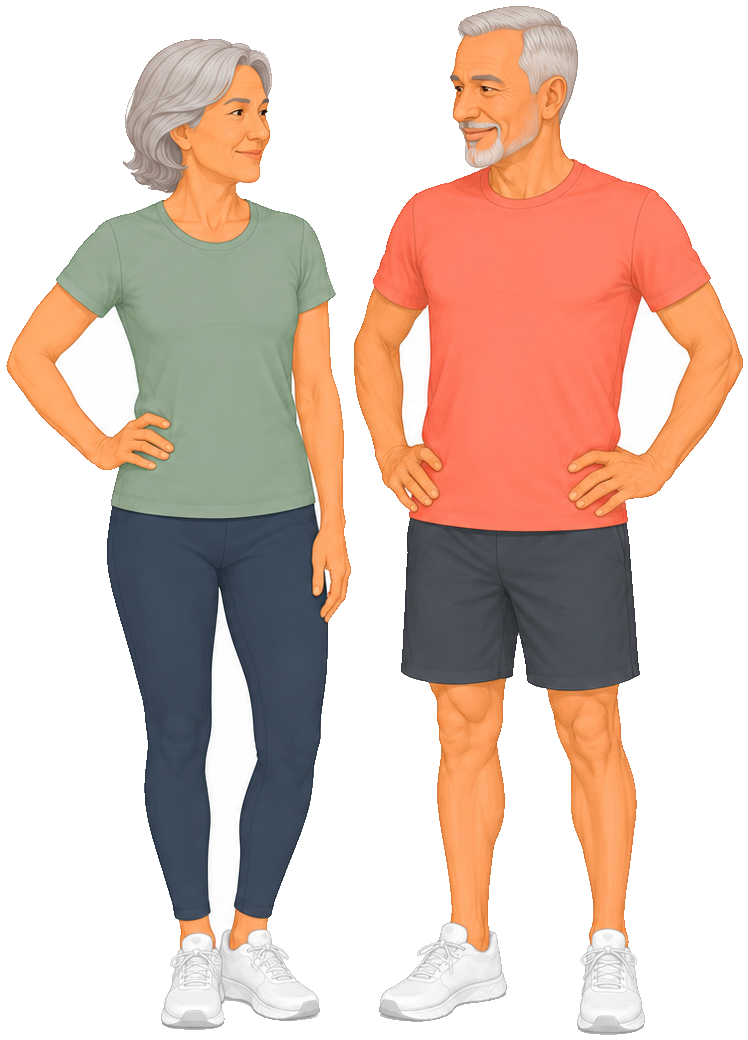
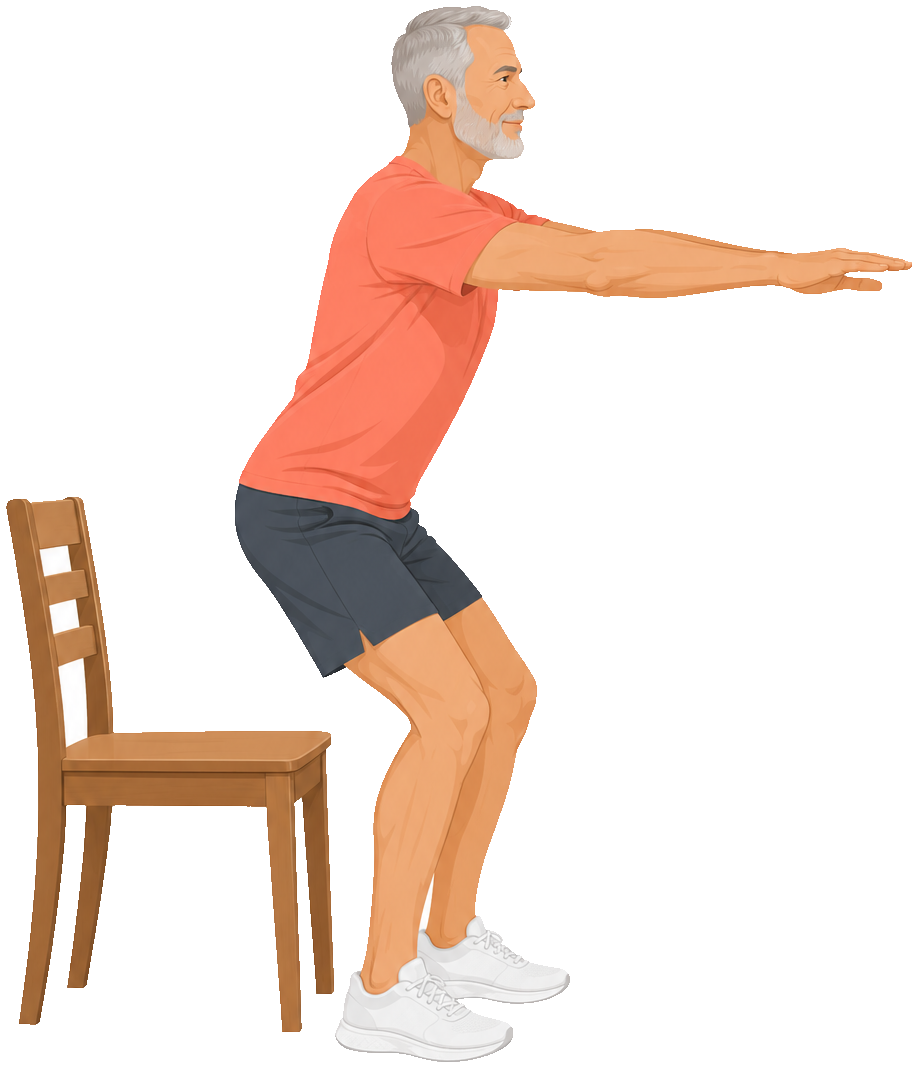
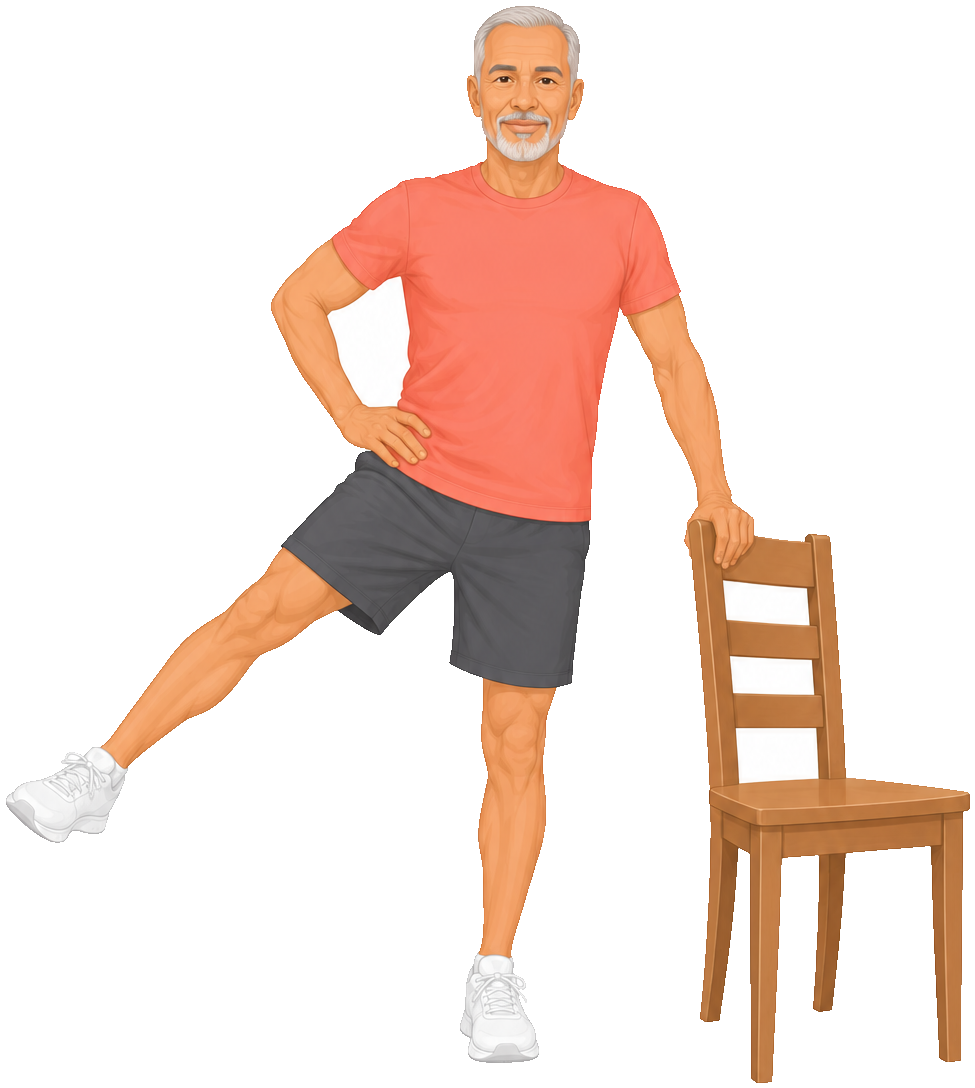
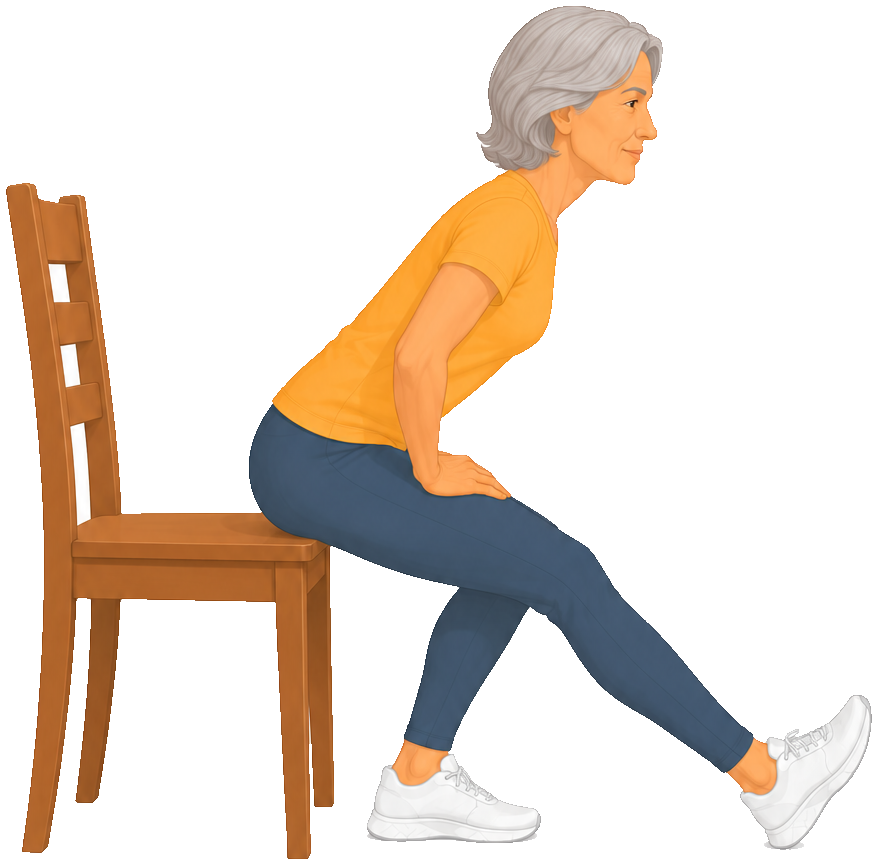
The Pierre Flourens · Fortavia project is coming soon. Tell us you're interested: you'll be the first to know at launch, and you get the exercise guide right away.
A French brand · Developed with pharmacists · Made in Europe
The problem
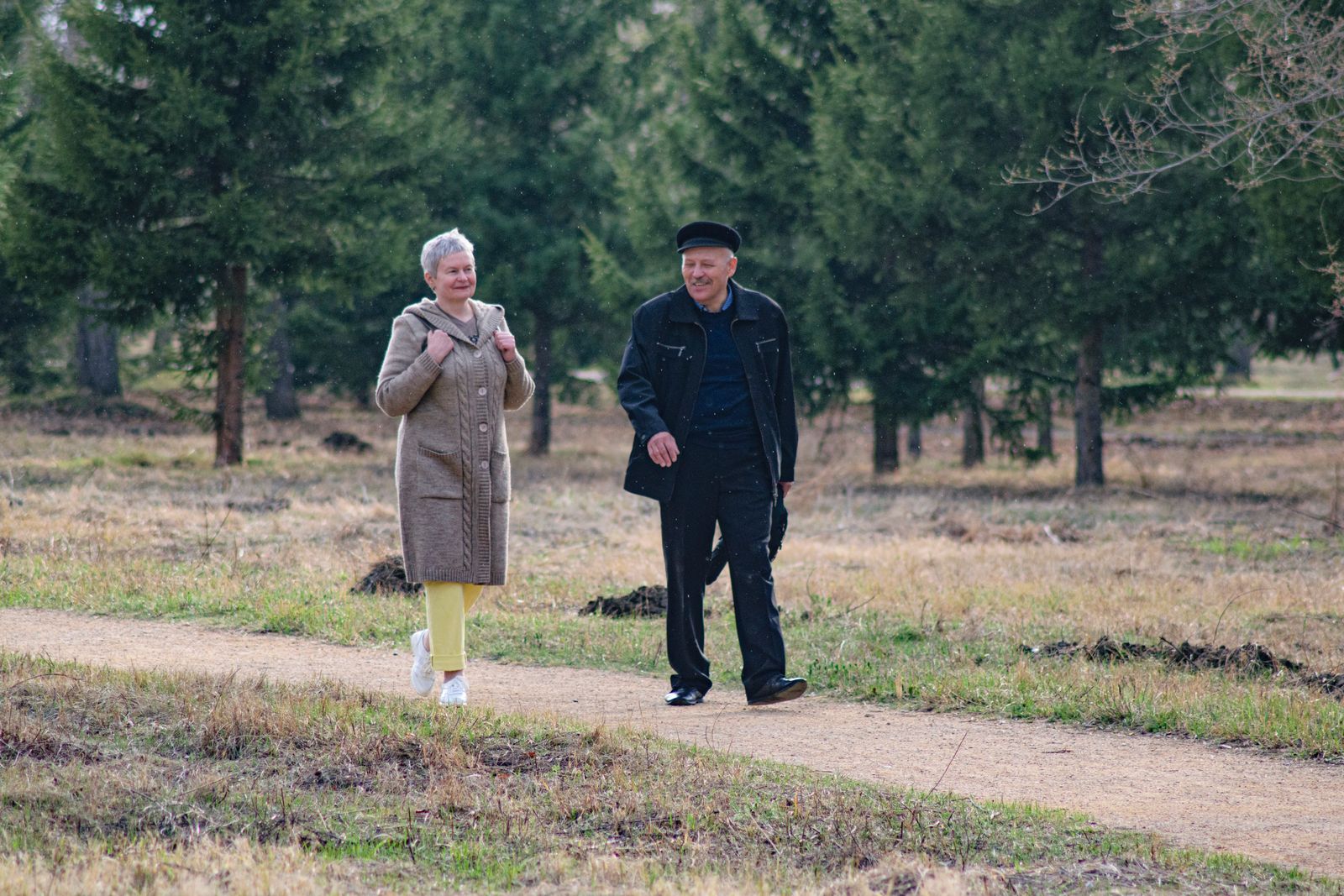
People think that with age you should "eat lighter". It's the opposite. After 60, the body absorbs protein less well and appetite drops. You slip below what you need without noticing, and the muscle you no longer feed enough, you lose it, a little more every year.
It doesn't hurt. You don't see it at first. Then one day, getting up from the armchair takes effort, the jar won't open, your legs feel less steady. The wasting had begun years earlier.
The good news: you can win it back. Muscle responds to two simple things: enough good-quality protein, at the right pace, and a little activity. At any age.

Not in ten years, not when it's too late. Your legs, your movements, your freedom are defended today, at every meal.
The answer
 Concept visual
Fortavia is a "clear" isolate: it dissolves in a tall glass of water into a clear, fruity drink, low in lactose. Nothing like the thick, milky protein shakes you force down. You drink it at the table, like a light juice, without a second thought.
The idea is simple: leucine acts as the trigger that restarts muscle-building; spread across your three meals, together with vitamin D, it feeds what age keeps wearing down.
What's inside
A short, readable formula, dosed for the needs of life after 60. You know exactly what you're drinking.
The building block of muscle. An isolate you drink in water, clear and fruity, not the thick milk of other proteins.
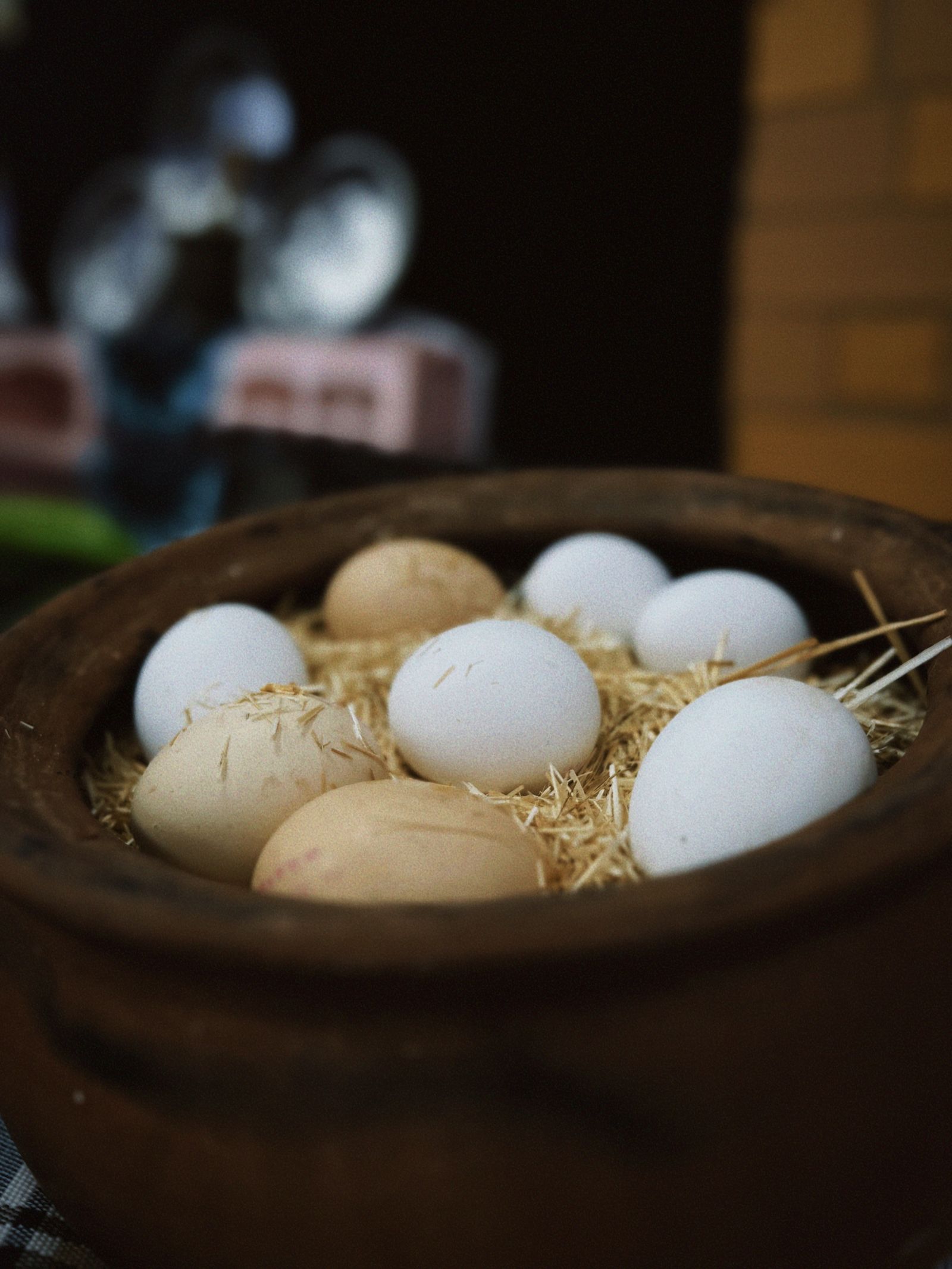
The trigger. The amino acid that restarts muscle-building, the key that's often missing after 60.

Muscle and bone. The sunshine vitamin, the one we run shortest on in winter.
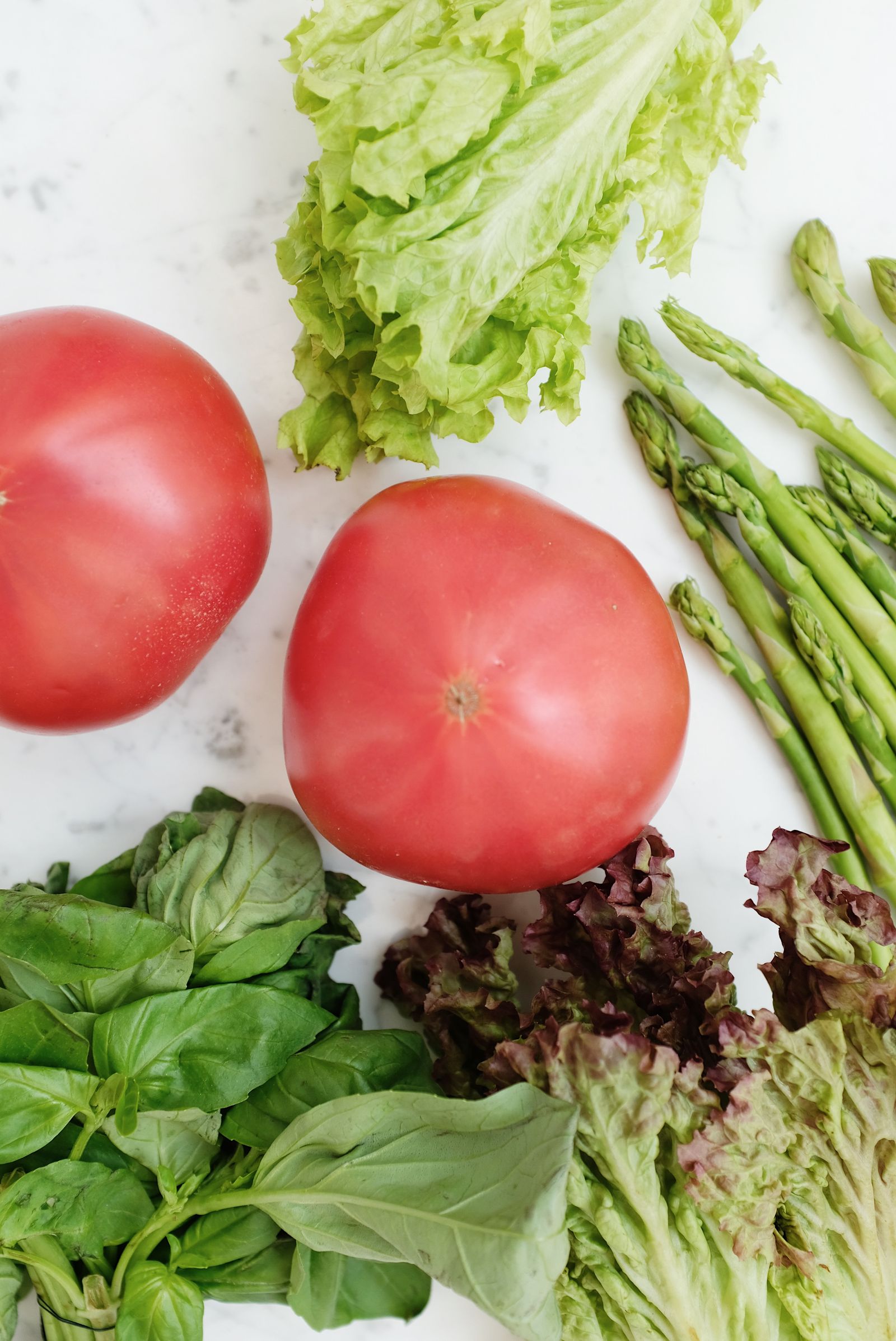
Against the afternoon slump. They help reduce tiredness as the day goes on.
Formula and doses are being finalised ahead of launch. Contains milk.
What it does for you
Under each benefit, the authorised health wording, word for word. The effect always applies to the nutrient, never to "the product".
The foundation of strength and independence: getting up from a chair, carrying the shopping, opening a jar, at an age when the body finds it harder.
Protein contributes to the maintenance of muscle mass. Protein contributes to a growth in muscle mass.
Because protein and vitamin D work together to maintain the skeleton.
Protein contributes to the maintenance of normal bones. Vitamin D contributes to the maintenance of normal bones.
Less tiredness through the day, and vitamin D for muscle function.
Vitamin D contributes to the maintenance of normal muscle function. Vitamin B6 contributes to the reduction of tiredness and fatigue. Vitamin B12 contributes to the reduction of tiredness and fatigue.
Vitamin D helps to reduce the risk of falling associated with postural instability and muscle weakness. Falling is a risk factor for bone fractures among men and women 60 years of age and older.
The beneficial effect is obtained with a daily intake of 20 µg of vitamin D from all sources.What the science says
After 60, your body needs more protein, plus leucine and vitamin D, to hold on to muscle. This isn't our opinion; it's the settled view of health and nutrition experts around the world.
Our need for protein does not fall with age. If anything, it rises.
The shared view of clinical-nutrition experts
Based on established nutrition science and public guidance (WHO/FAO, EFSA, and clinical-nutrition societies such as ESPEN) on protein needs after 60.
Our roots
We are a longevity brand, in the plain sense of the word: helping people age well, staying strong and independent for as long as possible. We carry the name of the scientist who first made that idea a science.
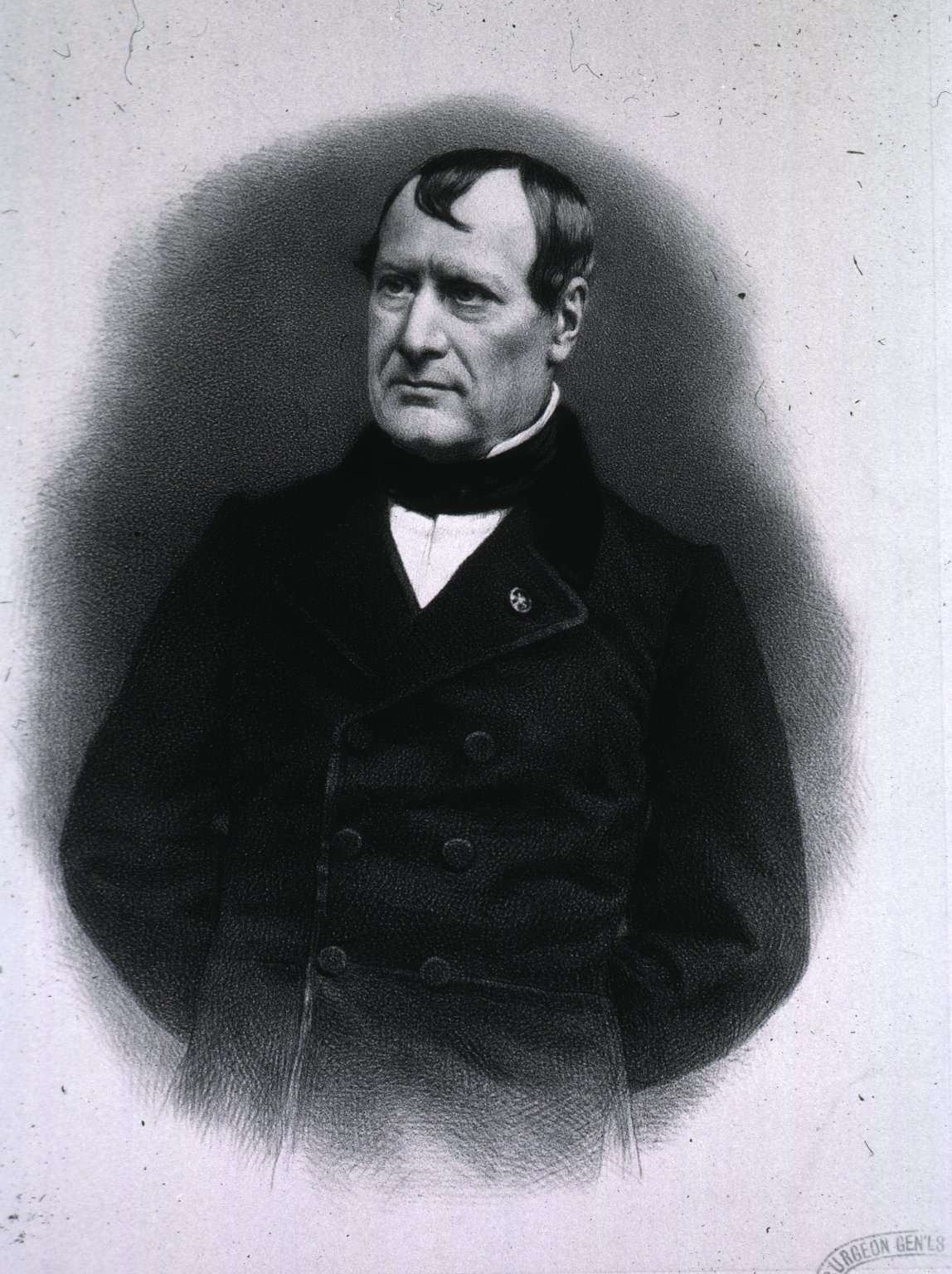 Marie Jean Pierre Flourens (1794-1867)
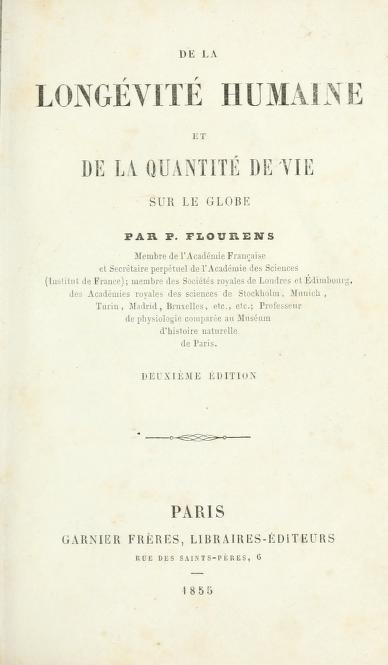 De la longévité humaine et de la quantité de vie sur le globe (On Human Longevity)
Pierre Flourens was one of the greatest French scientists of the 19th century. Protégé and then successor to Cuvier, he taught at the Collège de France, ran the Natural History Museum, and became permanent secretary of the Academy of Sciences. In 1840, the Académie française elected him to its ranks, ahead of Victor Hugo. We owe him the first maps of the brain, and a reputation as a man who did not bow to fashion: he devoted an entire book to refuting phrenology, the fashionable pseudo-science of his day.
The book that carried his name far beyond scholarly circles appeared in 1854: De la longévité humaine (On Human Longevity). In it, Flourens made the length of life a question of science, and drew from it a conviction that broke with the resignation of his era: old age is not a decline you simply endure, but a stage of life you maintain. We remain, he wrote, in our "prime" until the age of seventy, and the second half of life can stay full and vigorous. It is, ahead of its time, the modern idea of longevity: not merely living long, but ageing well.
"Temperance, regular habits, a calm mind: there lies the secret of most long lives."
Pierre Flourens, On Human Longevity, 1854
Where Flourens relied on clean living and good habits, science has since given a name to what eats away at the second half of life: sarcopenia, the gradual wasting of muscle. That is what we set out to fight: giving everyone the means to keep their strength, to stay on their feet and independent for as long as possible.
Founding circle
Leave us your first name and your email, and you join a small group of pioneers. We'll ask what you think before anyone else: the taste, the format, what goes in the box. You'll be served first at launch. And the exercise guide arrives right away.
You're one of the first. We'll write to you very soon to hear what you think, and your exercise guide is on its way to your inbox.